
Response

Response: Actions taken during an emergency

Intense flames with black smoke

What is Emergency Management

Emergencies in our community occur frequently and typically affect a limited number of people, cause minor disruptions to social structures, and rarely lead to infrastructure failure. These events usually impact daily routines for short periods of time. The 911 system operates every day to respond to these emergencies and does an excellent job serving communities in Gunnison County.

Disasters are less frequent than emergencies, but when they occur, they have widespread and significant impacts on the community, often with effects that last for months or even years. The response to a disaster is more prolonged than a typical emergency and requires coordination among multiple municipalities, special districts, nonprofit organizations, and regional or state resources. The 911 system alone cannot provide all the capabilities needed to manage a disaster. Establishing an Emergency Operations Center through the emergency management system helps expand response capacity, coordinate multiple agencies, and engage state and federal partners. These are central functions of emergency management in Gunnison.

When not actively responding to a disaster, the Office of Emergency Management focuses on building, delivering, and maintaining community preparedness and resilience programs. It also supports hazard mitigation planning and projects to reduce risks, sustains disaster response capabilities through planning, training, and exercises, and initiates disaster recovery efforts.

Gunnison Emergency Operations Center
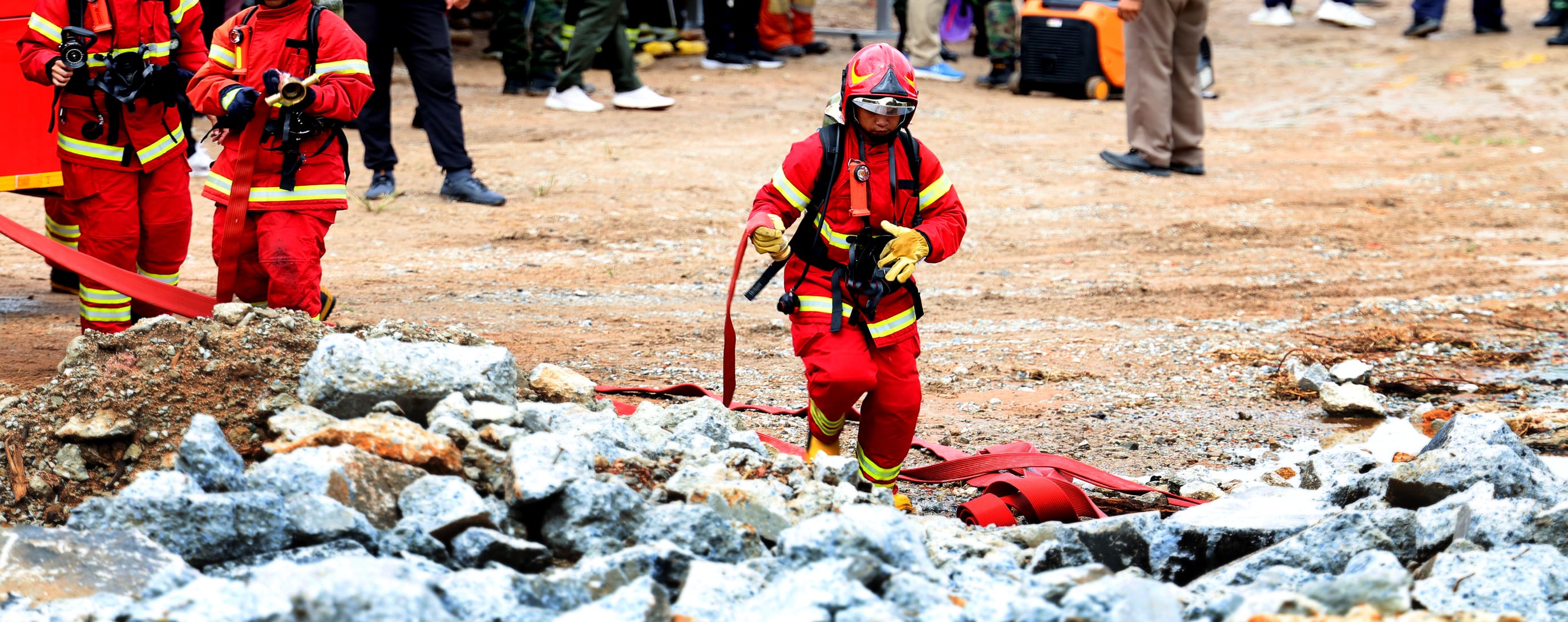
Firefighters conducting search and rescue operation.

The Gunnison EOC is where designated management personnel assemble during emergencies and disasters to coordinate communications, support resource mobilization, manage information, and develop situational awareness to maintain a common operating picture. The EOC also assists policy group members, supports event management planning, provides operational coordination, and helps ensure continuity of government activities. In addition to large scale emergencies and disasters, the EOC may be activated to support planned events or at the discretion of the Gunnison Office of Emergency Management.

The EOC serves as a support and coordination center that focuses on consequence management and unmet needs. Operations and tactical planning are typically carried out at an Incident Command Post, while the EOC supports and coordinates the activities of those on scene efforts.

Multi-Agency Coordination (MAC) Group

During a disaster, the Gunnison Emergency Operations Center is activated as the facility where subject matter experts come together to coordinate, support, and manage the incident. This group is known collectively as the Multi Agency Coordination group. The MAC group includes representatives from Gunnison County and Town of Gunnison departments, nonprofit organizations active in disasters, and private sector partners. These individuals form the foundation of the EOC.

The MAC group is organized into Emergency Support Functions, which are grouped into four main sections: Operational Coordination, Community Services, Situational Awareness, Public Information and Messaging, Resource Mobilization, along with several independent specialized positions.

During a disaster, each Emergency Support Function represents a specific operational capability designed to meet community needs or provide essential services. The ESF structure is part of the broader Gunnison Emergency Management system and operates out of the EOC.

Water rescue with safety equipment